Understanding the Tradition
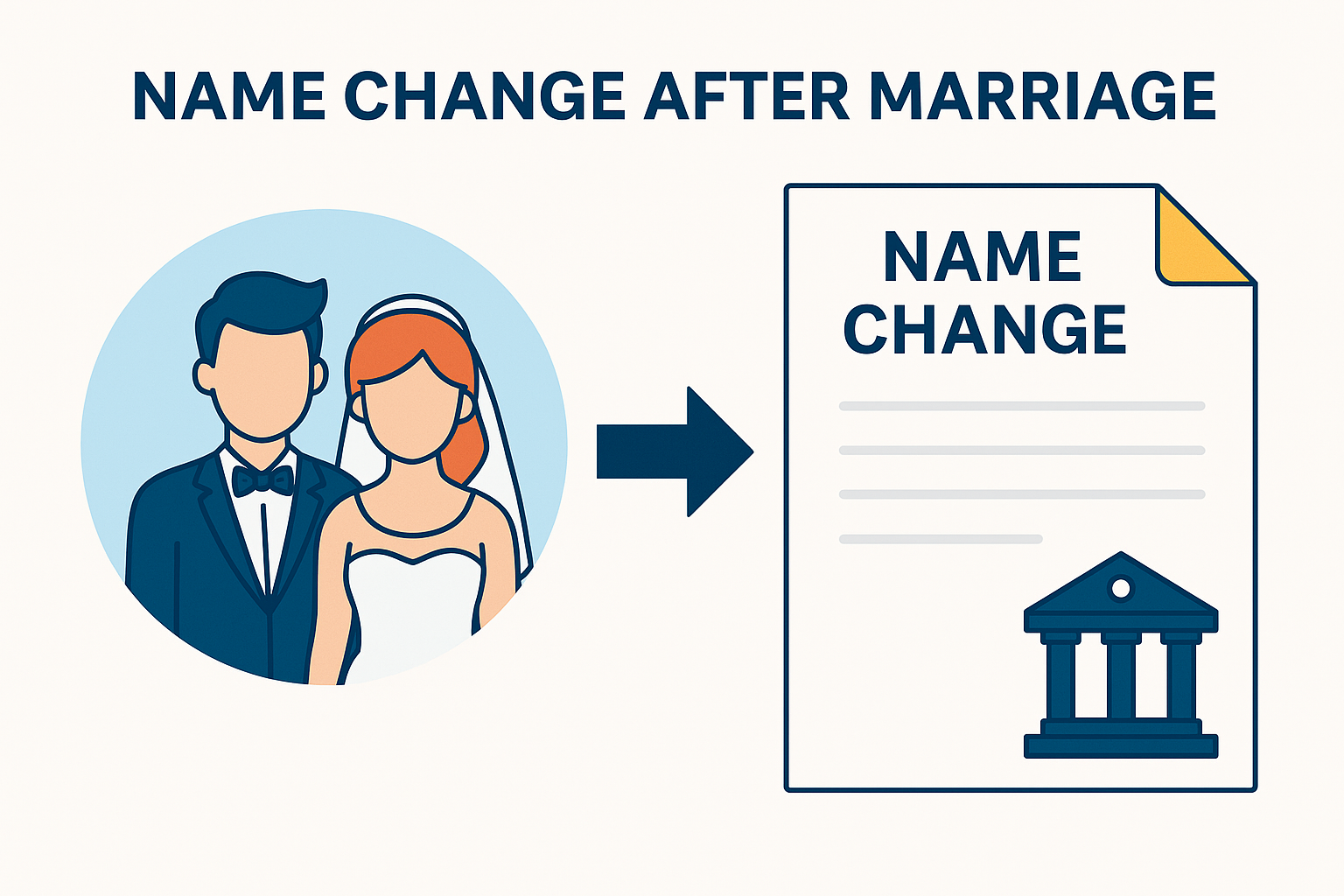
Historically, changing one’s surname after marriage symbolized unity, family continuity, and, in many cultures, a woman’s transition into her husband’s family. In India and several other countries, this tradition remains common. However, today’s marriages are increasingly built on equality, individuality, and mutual respect—making surname changes optional rather than obligatory.
Pros of Changing Your Surname After Marriage
1. Sense of Family Unity
One of the most cited reasons for changing a surname is the feeling of belonging and unity. Sharing a family name can create a strong emotional bond, symbolizing a new chapter as a family unit. For couples planning to have children, having the same surname may feel simpler and more cohesive.
2. Social and Cultural Acceptance
In many societies, particularly traditional or close-knit communities, sharing a spouse’s surname is still considered the norm. Changing your surname may help avoid repeated explanations or social misunderstandings, especially during family functions, official introductions, or community interactions.
3. Convenience in Family Documentation
Having a common surname can simplify matters related to:
- Children’s school admissions
- Family travel bookings
- Property ownership documents
- Insurance and medical records
Although these processes can be managed without a surname change, shared surnames may reduce confusion in certain situations.
4. Emotional Significance
For some individuals, adopting a partner’s surname carries deep emotional meaning. It can represent commitment, love, and the start of a shared life. If you feel positively connected to this symbolism, the change can be fulfilling and empowering.
5. Fresh Identity for a New Phase of Life
Marriage often marks a new beginning. Changing your surname may feel like embracing a fresh identity aligned with personal growth, shared responsibilities, and future goals.
Cons of Changing Your Surname After Marriage
1. Loss of Personal Identity
Your name is a core part of your identity. For many, especially those strongly connected to their family heritage, cultural background, or personal achievements, changing a surname may feel like losing a piece of themselves.
2. Professional and Career Challenges
For professionals, entrepreneurs, researchers, and creatives, a name is often a brand. Changing it can create:
- Confusion among clients or employers
- Difficulty maintaining professional recognition
- Disruption in online profiles, publications, or certifications
Re-establishing credibility under a new name may take time and effort.
3. Lengthy Legal and Administrative Process
Changing your surname involves multiple steps, including:
- Affidavit preparation
- Newspaper publication
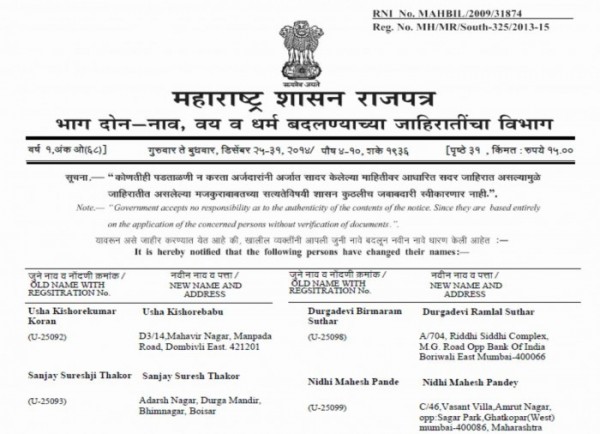
- Gazette notification
- Updating Aadhaar, PAN, passport, bank accounts, and other records
This process can be time-consuming, sometimes stressful, and requires consistent follow-ups to ensure accuracy across documents.
4. Emotional Attachment to Maiden Name
Your maiden name often carries family history, parental identity, and personal memories. Letting go of it may feel emotionally difficult, especially if it represents independence or years of personal achievement.
5. Not Always Necessary
In today’s legal systems, changing your surname after marriage is not mandatory. Many women—and men—successfully manage personal and family life without sharing surnames, proving that commitment does not depend on a name.
Alternatives to a Full Surname Change
If you’re unsure about making a complete change, there are several flexible options:
- Hyphenated Surname: Combining both surnames preserves individual identity while embracing partnership.
- Maiden Name as Middle Name: Keeps the original surname intact while adding the spouse’s name.
- No Change at All: Retaining your original name while using your spouse’s surname socially if desired.
- Mutual Change: Some couples choose to adopt a new or blended surname together.
These alternatives allow personalization without forcing a binary choice.
Questions to Ask Yourself Before Deciding
Before making a decision, consider the following:
- How strongly do I identify with my current surname?
- Will changing my name affect my career or professional reputation?
- Am I comfortable with the legal process involved?
- Is this decision driven by personal choice or social pressure?
- Does my partner respect and support my decision?
Open and honest communication with your partner is essential. A name change should be a shared understanding, not an obligation.
Legal Perspective
From a legal standpoint, changing your surname after marriage is entirely optional. Laws in India and many other countries recognize both choices equally. Women have full rights to retain their maiden names on official documents, bank accounts, and legal records without any disadvantage.
Final Thoughts
Changing your surname after marriage is a deeply personal decision—there is no right or wrong choice. What matters most is that your decision reflects your values, comfort, and sense of identity, rather than societal expectations.
Whether you choose to adopt your partner’s surname, keep your own, or create a unique combination, the strength of a marriage lies in mutual respect, understanding, and partnership—not in a shared last name.
Take your time, weigh the pros and cons, and choose what truly feels right for you.